When homeowners think about siding, most focus on how it looks. But siding does far more than boost curb appeal—it protects your home from weather, improves insulation, and plays a major role in long-term maintenance costs.
With today’s wide range of siding materials, choosing the right one can feel confusing. This guide breaks down siding materials in a simple, real-world way—so you can decide what truly makes sense for your home, not just what looks good on a sample board.
What Makes One Siding Material Better Than Another?
Not all siding is created equal. The best option depends on how your home is used, where it’s located, and how much upkeep you’re willing to take on.
Here are the key things that separate good siding from great siding:
- Resistance to weather and moisture
- Ability to handle temperature changes
- Longevity and durability
- Maintenance requirements
- Overall value over time
Let’s take a closer look at the most common siding materials and how they perform in real life.
Vinyl Siding: Practical and Cost-Effective
Vinyl siding remains one of the most widely used options for residential homes—and for good reason.
Why homeowners choose vinyl:
- Affordable installation costs
- No painting or staining required
- Resistant to rot and insects
- Wide range of colors and profiles
Things to keep in mind:
Vinyl can fade over time and may crack in extremely cold conditions. It’s best suited for homeowners who want a clean look with minimal maintenance.
Fiber Cement Siding: Built for Longevity
Fiber cement siding has become increasingly popular for homeowners looking for durability without sacrificing appearance.
Standout benefits:
- Handles extreme weather well
- Resistant to fire, moisture, and pests
- Can replicate the look of wood, stone, or masonry
- Long lifespan when properly installed
Considerations:
This material is heavier and more expensive to install, but many homeowners see it as a long-term investment rather than a quick upgrade.
Wood Siding: Classic Look, Higher Commitment
Wood siding delivers warmth and character that’s hard to match. It’s often chosen for historic or custom homes.
Why people love it:
- Natural beauty
- Customizable with paint or stain
- Unique texture and grain
Reality check:
Wood requires consistent maintenance. Without proper care, it’s vulnerable to moisture damage, insects, and rot.
Engineered Wood: A Smarter Take on a Classic
Engineered wood siding offers the appearance of real wood with added protection.
Advantages:
- More resistant to moisture than natural wood
- Lighter than fiber cement
- More affordable than traditional wood
Limitations:
While more durable than wood, it still requires periodic maintenance and isn’t as long-lasting as fiber cement.
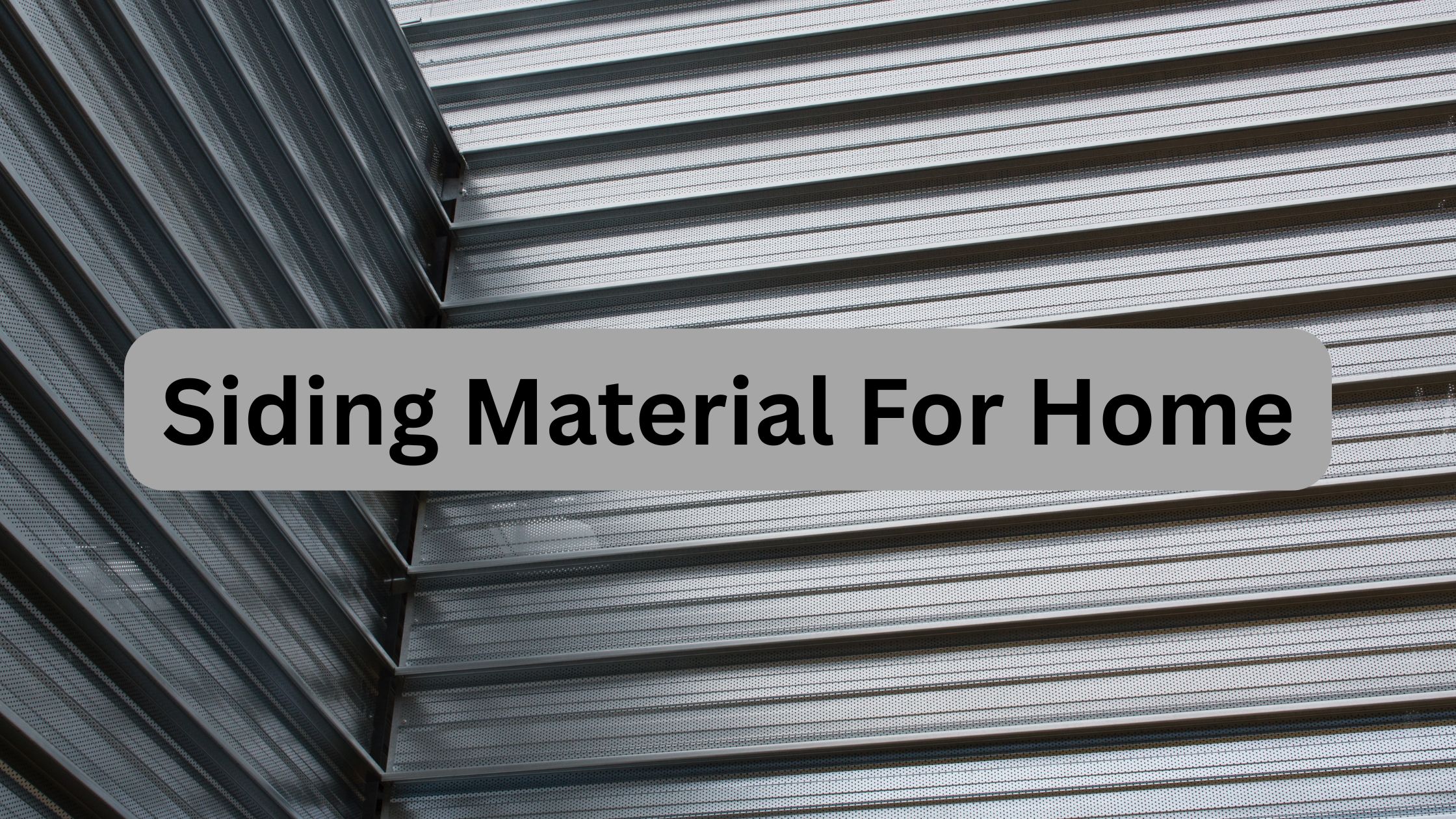
Metal Siding: Strong and Modern
Metal siding—typically aluminum or steel—is often used on contemporary homes or modern renovations.
Why it stands out:
- Fire-resistant
- Insect-proof
- Long lifespan
- Minimal maintenance
Potential drawbacks:
Metal can dent and may not offer strong insulation unless paired with additional materials.
Matching Siding to Your Lifestyle
Choosing siding isn’t just about the house—it’s about how you live in it.
Ask yourself:
- Do I want low maintenance or natural aesthetics?
- Am I planning to sell in the next few years?
- How extreme is my local climate?
- Do I prefer modern or traditional design?
Your answers will quickly narrow down the best siding options.
Installation Matters as Much as the Material
Even high-quality siding can fail if it’s installed incorrectly. Proper installation ensures:
- Moisture protection
- Structural integrity
- Energy efficiency
- Manufacturer warranty coverage
Working with experienced professionals helps ensure your siding performs exactly as intended.
Final Thoughts: Choosing Siding That Lasts
Siding isn’t just a design choice—it’s a long-term investment in your home’s protection and value. The best siding material balances durability, appearance, maintenance, and cost in a way that fits your lifestyle.
Taking the time to understand your options now can save you from repairs, replacements, and frustration down the road.